Sertranorm Antidepressant – Uses, Dosage & Side Effects
Introduction
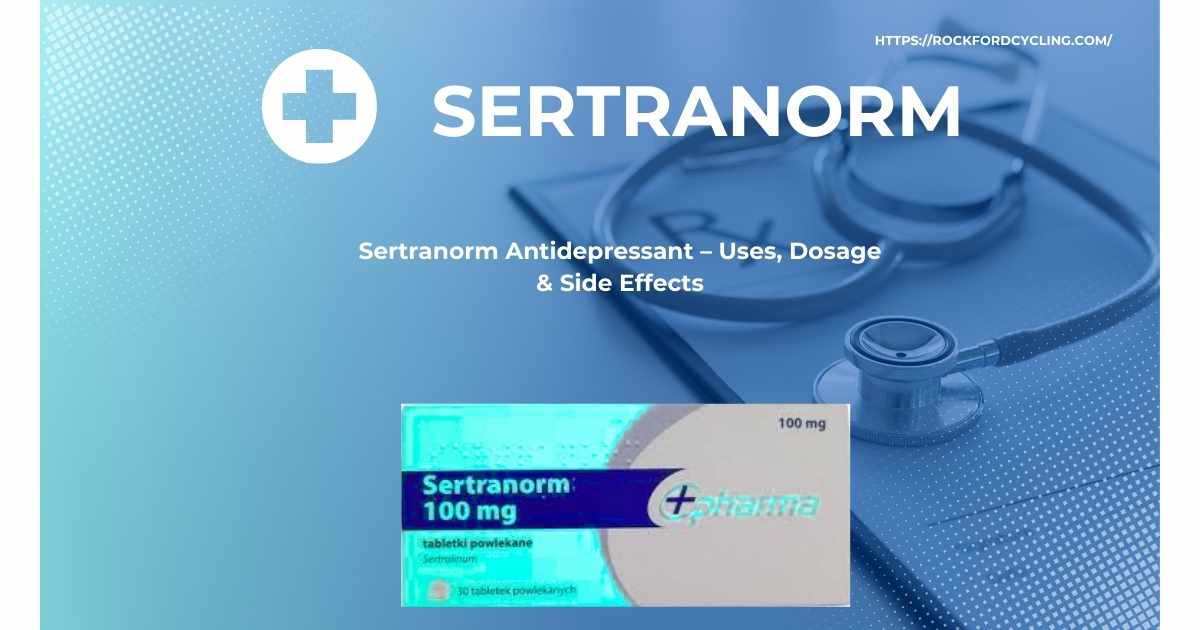
Sertranorm is a prescription antidepressant medication formulated with the active ingredient sertraline. It belongs to the Selective Serotonin Reuptake Inhibitor (SSRI) class, which is widely used in evidence-based psychiatric treatment. SSRIs are designed to regulate serotonin activity to support emotional stability.
Sertranorm is commonly prescribed for long-term management of mood and anxiety disorders. When used appropriately, it contributes to meaningful improvement in mental health and daily functioning.
What Is Sertranorm?
Sertranorm is a clinically approved antidepressant intended for the treatment of persistent mental health conditions. It is prescribed when symptoms significantly interfere with emotional balance, work performance, or social functioning. The medication addresses neurochemical imbalance rather than offering temporary relief.
Sertranorm is not indicated for short-term stress or situational sadness. Its use requires consistent intake and medical supervision.
Active Ingredient and Drug Classification
The active ingredient in Sertranorm is sertraline hydrochloride, a well-studied SSRI compound. SSRIs selectively inhibit serotonin reuptake without strongly affecting other neurotransmitters. This targeted mechanism improves tolerability and reduces unwanted systemic effects.
Sertraline has extensive clinical research supporting its effectiveness. It is approved for multiple psychiatric conditions across different age groups.
Mechanism of Action in the Brain
Sertranorm works by blocking the reuptake of serotonin into presynaptic neurons. This action increases serotonin availability within synaptic spaces. Enhanced serotonin signaling supports emotional regulation and stress resilience.
Neuroadaptive changes develop gradually over time. This explains why clinical improvement occurs progressively rather than immediately.
Primary Medical Uses of Sertranorm
Sertranorm is most commonly prescribed for major depressive disorder to reduce persistent low mood and emotional withdrawal. Patients often experience improved motivation, energy, and cognitive clarity. Emotional responsiveness improves with sustained treatment.
It is also approved for anxiety disorders, panic disorder, obsessive-compulsive disorder, post-traumatic stress disorder, and premenstrual dysphoric disorder. Each indication requires individualized dosing.
Psychological and Functional Benefits
Sertranorm helps stabilize mood fluctuations and reduce intrusive or repetitive thoughts. Many patients report improved sleep quality and reduced physical anxiety symptoms. Concentration and decision-making often improve during treatment.
The medication supports long-term psychological balance rather than short-term symptom suppression. This makes it suitable for maintenance therapy.
Dosage Guidelines and Clinical Adjustment
Sertranorm dosage is determined by diagnosis, symptom severity, and patient response. Treatment usually begins with a low dose to minimize early side effects. Gradual titration allows safe achievement of therapeutic benefit.
Dose adjustments must always be supervised by a healthcare professional. Improper dosing can compromise both safety and effectiveness.
How to Take Sertranorm Correctly
Sertranorm is taken once daily, preferably at the same time each day. It may be taken with or without food depending on gastrointestinal tolerance. Consistent timing helps maintain stable blood concentrations.
Tablets should be swallowed whole with water. Crushing or splitting tablets may interfere with absorption.
Sertranorm Dosage Reference Table
| Condition | Initial Dose | Typical Dose | Maximum Dose |
|---|---|---|---|
| Depression | 25–50 mg/day | 50 mg/day | 200 mg/day |
| Anxiety Disorders | 25 mg/day | 50–100 mg/day | 200 mg/day |
| Obsessive-Compulsive Disorder | 50 mg/day | 50–150 mg/day | 200 mg/day |
| PTSD / PMDD | 25 mg/day | 50 mg/day | 200 mg/day |
Common Side Effects of Sertranorm
Common side effects include nausea, headache, dizziness, and dry mouth. Some patients experience temporary changes in sleep or appetite. These effects typically resolve within the first few weeks.
Most individuals tolerate Sertranorm well with continued use. Persistent symptoms should be reported to a healthcare provider.
Serious Side Effects and Safety Concerns
Rare but serious effects may include increased anxiety, agitation, or emotional blunting during early treatment. Sexual side effects have also been reported in some patients. Close monitoring is recommended during dose initiation.
Immediate medical attention is required if suicidal thoughts or severe behavioral changes occur. Risk is higher in adolescents and young adults.
Precautions and Important Warnings
Patients must disclose all medical conditions before starting Sertranorm. Caution is required in liver disease, seizure disorders, and bipolar disorder. Pregnancy and breastfeeding require careful risk assessment.
Alcohol consumption should be avoided during treatment. Alcohol may intensify side effects and impair judgment.
Drug Interactions and Contraindications
Sertranorm can interact with MAO inhibitors, blood-thinning medications, and certain migraine treatments. Combining incompatible drugs may result in serotonin syndrome. Complete medication disclosure is essential.
Patients should not start or stop medications without medical approval. Even herbal supplements may interact.
Use of Sertranorm in Special Populations
Elderly patients may require lower doses due to reduced metabolic clearance. Children and adolescents are treated only under strict psychiatric supervision. Behavioral monitoring is essential in younger patients.
Individuals with chronic illness require personalized dosing strategies. Regular follow-up ensures treatment safety.
Onset of Action and Treatment Timeline
Initial symptom improvement may appear within one to two weeks of treatment. Full therapeutic benefit typically requires four to six weeks. Neurochemical adaptation occurs gradually.
Patients should continue treatment as prescribed. Early discontinuation may reduce effectiveness.
Discontinuation and Withdrawal Management
Sertranorm should not be stopped abruptly. Sudden discontinuation may cause dizziness, irritability, nausea, or mood instability. These symptoms are known as discontinuation effects.
Gradual dose tapering under medical supervision is required. This approach minimizes discomfort and relapse risk.
Storage and Medication Safety
Sertranorm should be stored at room temperature away from moisture and heat. Keep the medication out of reach of children and pets. Do not use expired tablets.
Proper storage maintains medication potency. Safe disposal prevents accidental ingestion.
FAQ’s About Sertranorm
Is Sertranorm suitable for long-term use?
Yes, it is commonly prescribed for long-term treatment under medical supervision.
Does Sertranorm cause addiction or dependence?
No, Sertranorm is not habit-forming when used as prescribed.
Can Sertranorm affect body weight?
Mild weight changes may occur, but effects vary between individuals.
Can Sertranorm be taken at night?
Yes, if it does not interfere with sleep patterns and is medically advised.
Conclusion
Sertranorm is a prescription SSRI antidepressant containing sertraline, designed to improve mood and reduce anxiety through serotonin regulation. Its clinical reliability and safety profile make it a cornerstone of modern psychiatric care. Consistent use leads to meaningful improvement in emotional and functional health.
For optimal results, Sertranorm should always be taken under professional medical guidance. Proper dosing, patience, and regular monitoring are essential for safe and effective treatment.