Babybelletje: Meaning, Nutrition, Uses and Complete Guide
Introduction
Modern eating habits are shaped by speed, awareness, and practicality. People are no longer interested in snacks that only satisfy hunger temporarily; instead, they look for foods that fit naturally into daily life while offering nutritional reliability and emotional comfort. Babybelletje has gradually become one such food.
Often perceived as a simple cheese snack, Babybelletje represents a broader shift in how food is designed, consumed, and trusted. This article provides a detailed, original, and research-based exploration of Babybelletje, explaining not only what it is, but why it continues to remain relevant across generations and cultures.
What is Babybelletje?
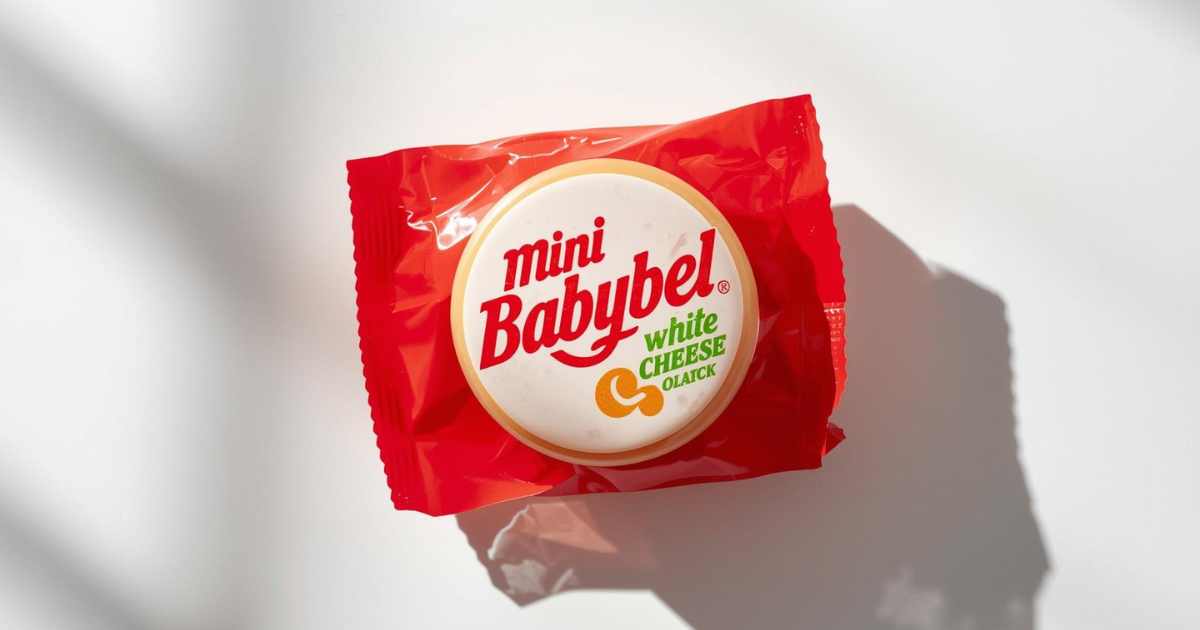
Babybelletje is an informal term commonly used to describe Mini Babybel cheese, especially within European and Dutch-influenced language usage. The wording reflects familiarity and smallness, making the product feel approachable rather than commercial.
In practical terms, Babybelletje is a small, round cheese portion produced from pasteurized cow’s milk. It is sealed in a wax coating that protects the cheese and allows it to be consumed conveniently. Its portion-controlled format supports mindful eating while remaining satisfying.
The role of language and everyday identity
Babybelletje does not exist as a formal or scientific term. Instead, it functions within everyday language, where people naturally assign softer, more personal names to familiar objects.
This informal naming gives Babybelletje an identity beyond food. It becomes associated with daily routines such as school lunches, office snacks, travel food, and relaxed home meals. This emotional familiarity plays an important role in why the term continues to appear in blogs, casual writing, and online searches.
Origin and product evolution
Babybelletje originates from France, where Mini Babybel was introduced in 1977 by the Bel Group. At the time, cheese was largely confined to home consumption due to storage limitations and spoilage concerns.
The introduction of individually portioned, wax-sealed cheese changed this pattern. It allowed cheese to become portable, durable, and suitable for consumption in non-traditional settings such as schools, workplaces, and travel. Over time, this innovation helped Babybel expand globally and establish long-term consumer trust.
Design philosophy behind the wax coating
The wax coating around Babybelletje serves a practical and psychological purpose. Functionally, it creates a protective barrier that limits air exposure and moisture loss, preserving freshness without heavy reliance on preservatives.
From a consumer perspective, the wax introduces an interactive experience. Opening the cheese becomes part of the enjoyment, especially for children. This small ritual contributes to positive food engagement and strengthens emotional attachment to the product.
Flavor structure and textural consistency
Babybelletje is intentionally designed with a mild and balanced flavor profile. It avoids sharpness or complexity, making it accessible to a broad audience including children, older adults, and those who prefer lighter dairy products.
Its texture remains smooth and consistent across servings. This predictability creates a sense of reliability, which is an important factor in repeat consumption. The neutral flavor also allows Babybelletje to pair easily with other foods without dominating the overall taste.
Nutritional composition and function
Although small in size, Babybelletje delivers meaningful nutritional value. It provides protein, calcium, and fats in a balanced ratio that supports everyday dietary needs.
Nutritional profile per single serving
| Nutrient | Approximate amount | Functional role |
|---|---|---|
| Calories | 60–70 kcal | Controlled energy intake |
| Protein | 4–5 g | Supports muscle maintenance |
| Calcium | 140–150 mg | Supports bone strength |
| Carbohydrates | 0 g | Suitable for low-carb diets |
| Vitamin B12 | Present | Supports nerve function |
This composition makes Babybelletje suitable for individuals seeking nutrient-dense snacks rather than highly processed alternatives.
Role in health-conscious eating
Babybelletje can contribute positively to healthier eating habits when consumed in moderation. Its protein and fat content help regulate hunger, reducing the tendency to snack excessively on sugar-based foods.
Its absence of carbohydrates makes it compatible with low-carb and ketogenic dietary approaches. Additionally, its calcium content supports bone health across different life stages, including childhood and adulthood.
Product variations and dietary inclusivity
To adapt to changing dietary preferences, Babybelletje is available in several variations. These include reduced-fat options, stronger-flavored versions, and plant-based alternatives.
Common Babybelletje variants
| Variant | Main feature | Typical consumer |
|---|---|---|
| Original | Mild and creamy | General consumers |
| Light | Reduced fat | Calorie-aware users |
| Cheddar style | Richer taste | Flavor-focused eaters |
| Herb-based | Savory notes | Home cooking |
| Plant-based | Dairy-free | Vegan diets |
This flexibility allows Babybelletje to remain relevant in diverse dietary contexts.
Culinary applications in everyday cooking
While commonly eaten as a standalone snack, Babybelletje also performs well as a cooking ingredient. Its melting behavior is smooth and stable, making it suitable for warm dishes.
It can be added to pasta, incorporated into sauces, layered in sandwiches, or included on cheese boards. The small portion size helps control quantities, making it easier to manage calorie intake during cooking.
Role in family and child-focused diets
Babybelletje is widely used in family settings due to its simplicity and safety. It requires no preparation, is easy for children to handle, and provides essential nutrients in a format that feels enjoyable rather than restrictive.
The interactive opening process and mild taste encourage positive food experiences, which can influence healthier eating habits as children grow.
Brand trust and long-term consumer relationship
Over decades of consistent quality, Babybelletje has built a strong relationship with consumers. It is often associated with reliability, familiarity, and everyday comfort rather than novelty.
This long-term trust plays a significant role in why Babybelletje continues to be chosen across generations, even as food trends change.
Environmental awareness and responsible use
The wax coating, while essential for preservation, requires responsible disposal. Some consumers reuse it for crafts, while others follow local waste guidelines. The brand continues to explore ways to balance functional packaging with environmental responsibility.
Advantages and limitations
Advantages
- Nutritionally balanced portions
- Easy storage and portability
- Suitable for multiple age groups
- Long shelf life
- Flexible use
Limitations
- Not suitable for vegans except plant-based versions
- Wax must be disposed of responsibly
FAQs About Babybelletje
Is Babybelletje different from Mini Babybel?
No, Babybelletje is an informal reference to Mini Babybel cheese.
Can Babybelletje be eaten regularly?
Yes, when consumed in moderation as part of a balanced diet.
Is Babybelletje suitable for weight management?
Its portion size and protein content can help manage hunger.
Can Babybelletje be used in cooking?
Yes, it melts evenly and works well in various dishes.
Is Babybelletje safe for children?
Yes, it is made from pasteurized milk and designed for family use.
conclusion
Babybelletje demonstrates how thoughtful food design can transform a simple product into a lasting everyday solution. Behind its compact size lies a combination of innovation, nutrition, emotional familiarity, and trust.
Whether consumed as a snack, used in cooking, or included in family routines, Babybelletje continues to offer value without unnecessary complexity. Its continued relevance shows that when food is designed with purpose, it remains meaningful over time.